
Access Denied
IMPORTANT! If you’re a store owner, please make sure you have Customer accounts enabled in your Store Admin, as you have customer based locks set up with EasyLockdown app. Enable Customer Accounts
Our Origins
The origin of Atelier Shimura can be traced back to the end of the Taisho era when the Japanese philosopher Yanagi Soetsu (1889-1961), began advocating the Mingei movement (Japanese Folk Art Movement). Mingei, literally meaning “arts of the people”, was a term coined by Yanagi to refer to the hand-crafted work of ordinary people. The movement began in the mid 1920s establishing new manufacturing ideals through emphasizing the beauty of everyday things created by anonymous craftspeople all over Japan. Yanagi’s defining characteristics of mingei crafts continue to inspire us: the beauty of health, beauty of use, beauty of innocence, and the beauty of tradition.
Fukumi Shimura's parents, Motozumi and Toyo Ono had close ties to Muneyoshi Yanagi, Goro Aota, a member of the Kamigamo Folk Craft Association, Tatsuaki Kuroda and Kenkichi Tomimoto who were both craft artists. In order to realize their own form of an ideal education, they invited Noboru Tani, an educator from Tokyo, who worked for Seijo Elementary School. Together they established Showa Gakuen (Showa School) in 1927, which was the prefecture’s one and only private elementary school in Omihachiman, Shiga Prefecture. At Showa Gakuen, creativity and independence were regarded as the most important for students based on the philosophy of the Taisho new education movement. (1889-1961), began advocating the Mingei movement (Japanese Folk Art Movement). Mingei, literally meaning “arts of the people”, was a term coined by Yanagi to refer to the hand-crafted work of ordinary people. The movement began in the mid 1920s establishing new manufacturing ideals through emphasizing the beauty of everyday things created by anonymous craftspeople all over Japan. Yanagi’s defining characteristics of mingei crafts continue to inspire us: the beauty of health, beauty of use, beauty of innocence, and the beauty of tradition.
Fukumi Shimura's parents, Motozumi and Toyo Ono had close ties to Muneyoshi Yanagi, Goro Aota, a member of the Kamigamo Folk Craft Association, Tatsuaki Kuroda and Kenkichi Tomimoto who were both craft artists. In order to realize their own form of an ideal education, they invited Noboru Tani, an educator from Tokyo, who worked for Seijo Elementary School. Together they established Showa Gakuen (Showa School) in 1927, which was the prefecture’s one and only private elementary school in Omihachiman, Shiga Prefecture. At Showa Gakuen, creativity and independence were regarded as the most important for students based on the philosophy of the Taisho new education movement.
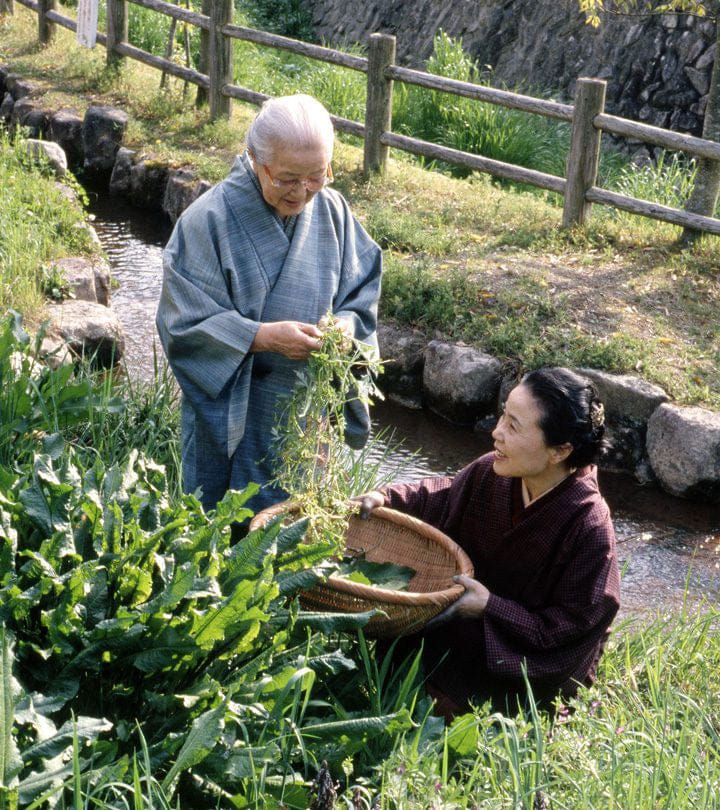
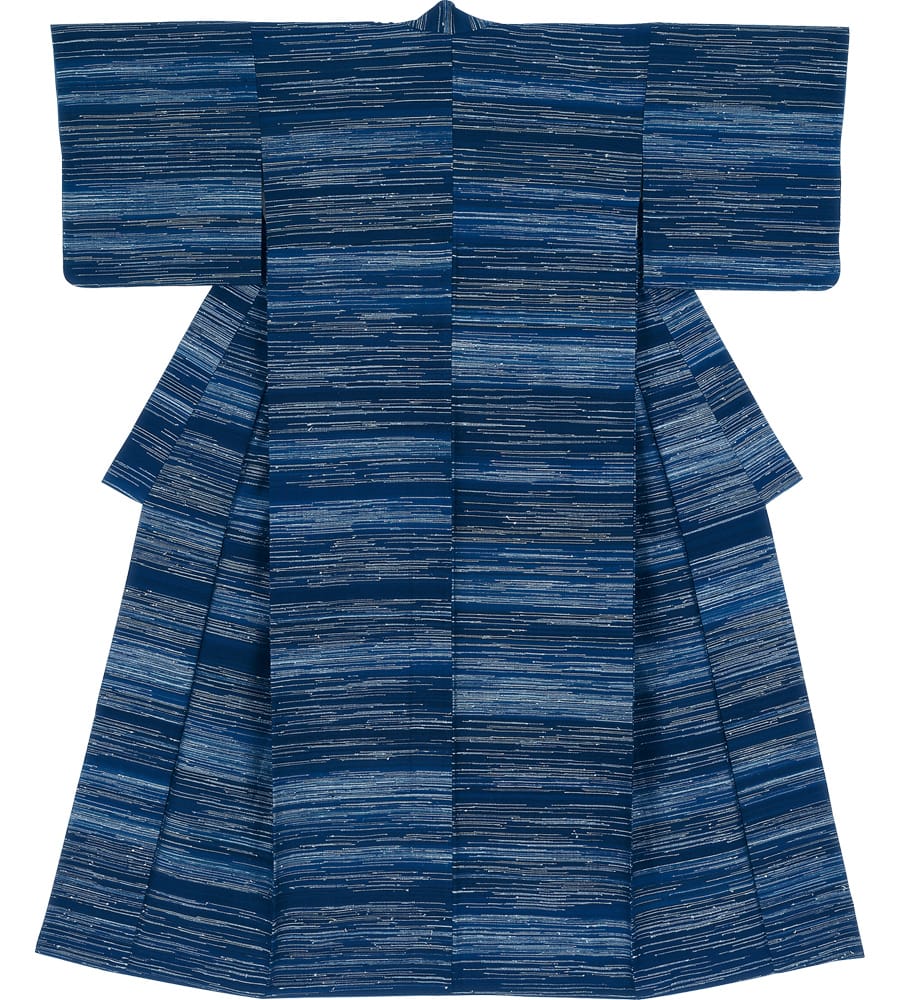
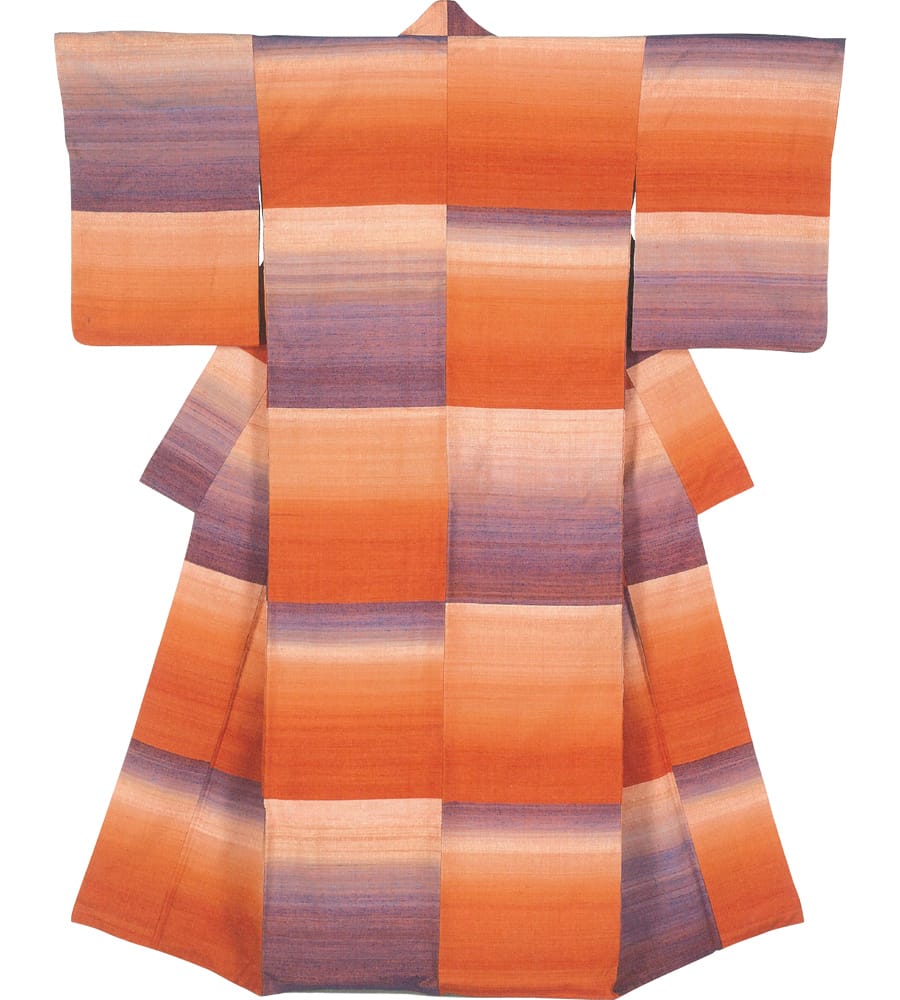
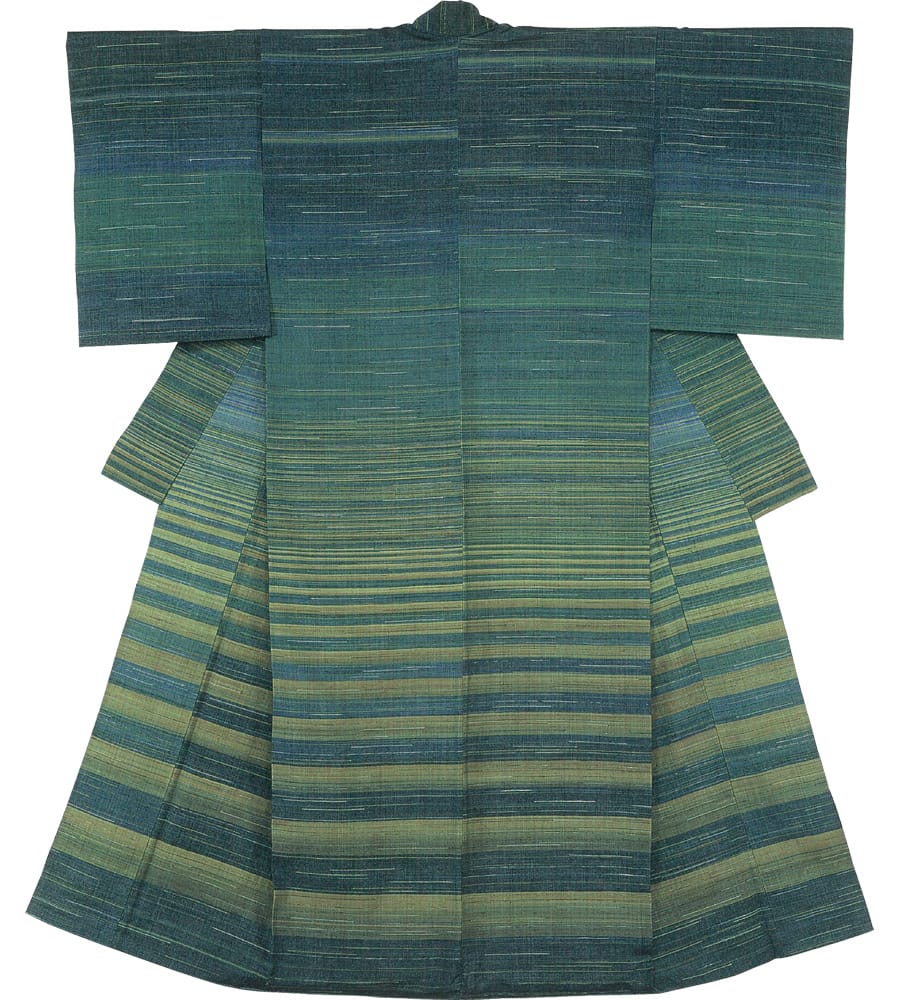
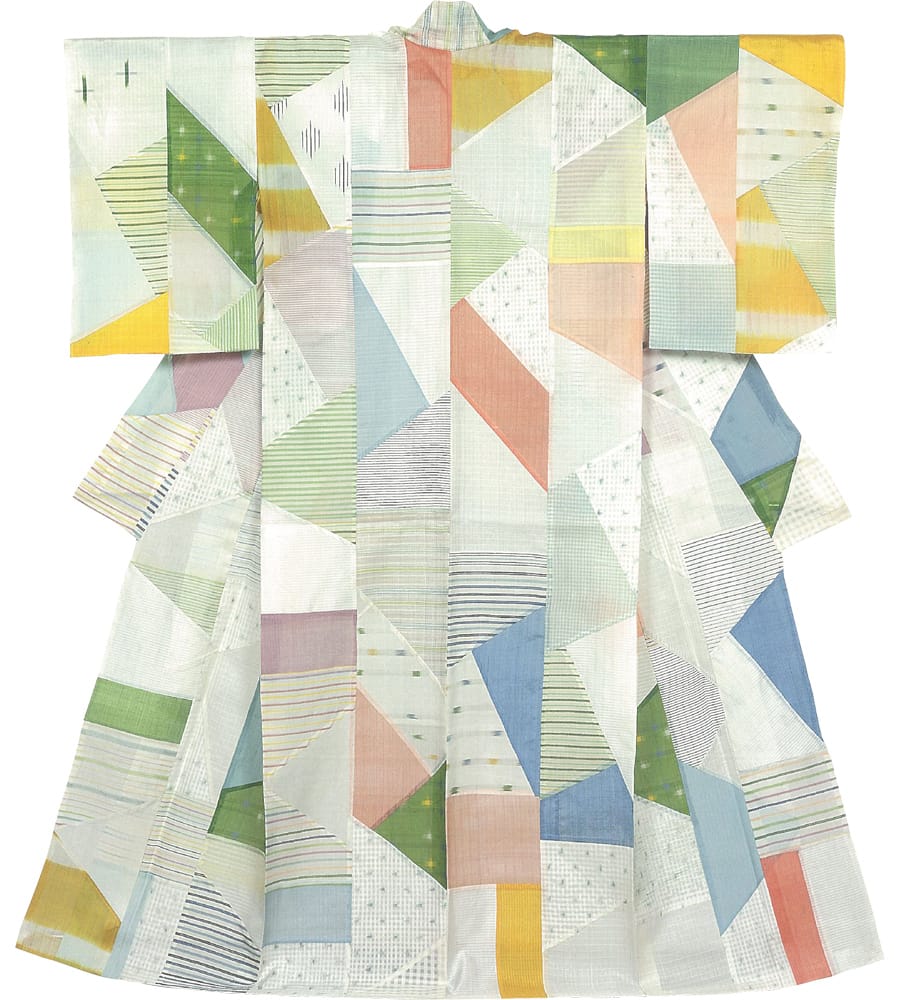
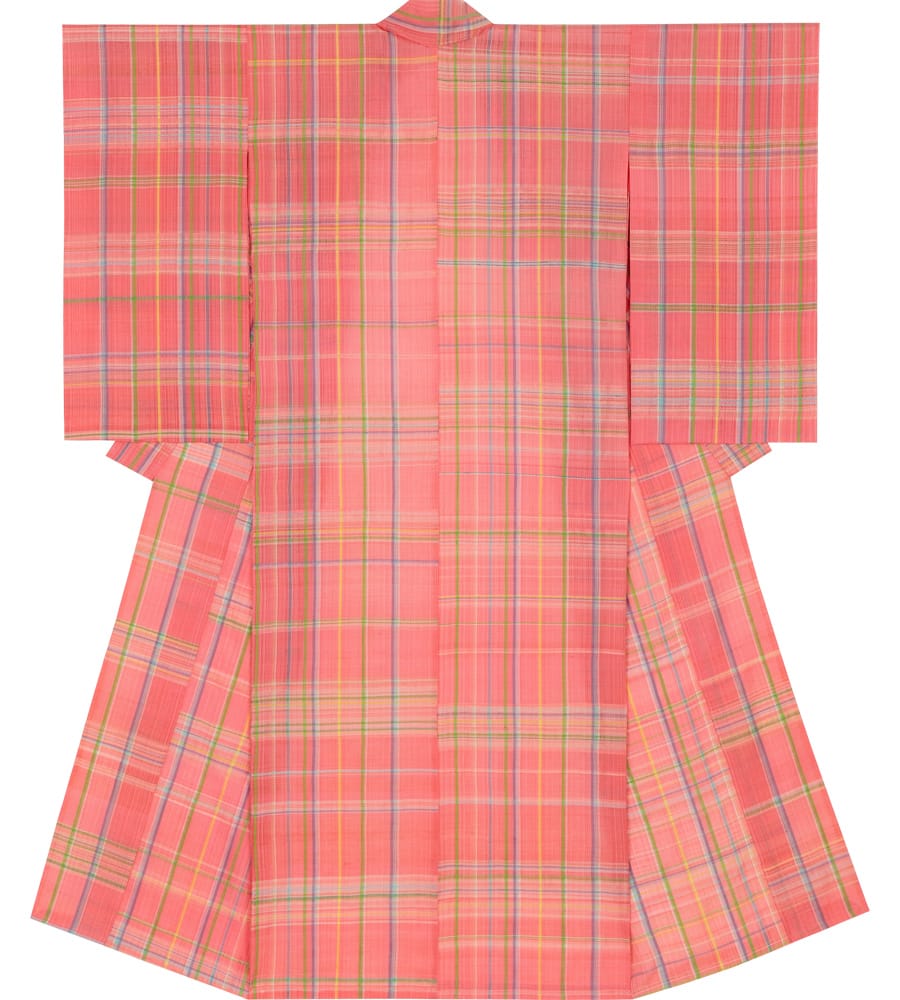
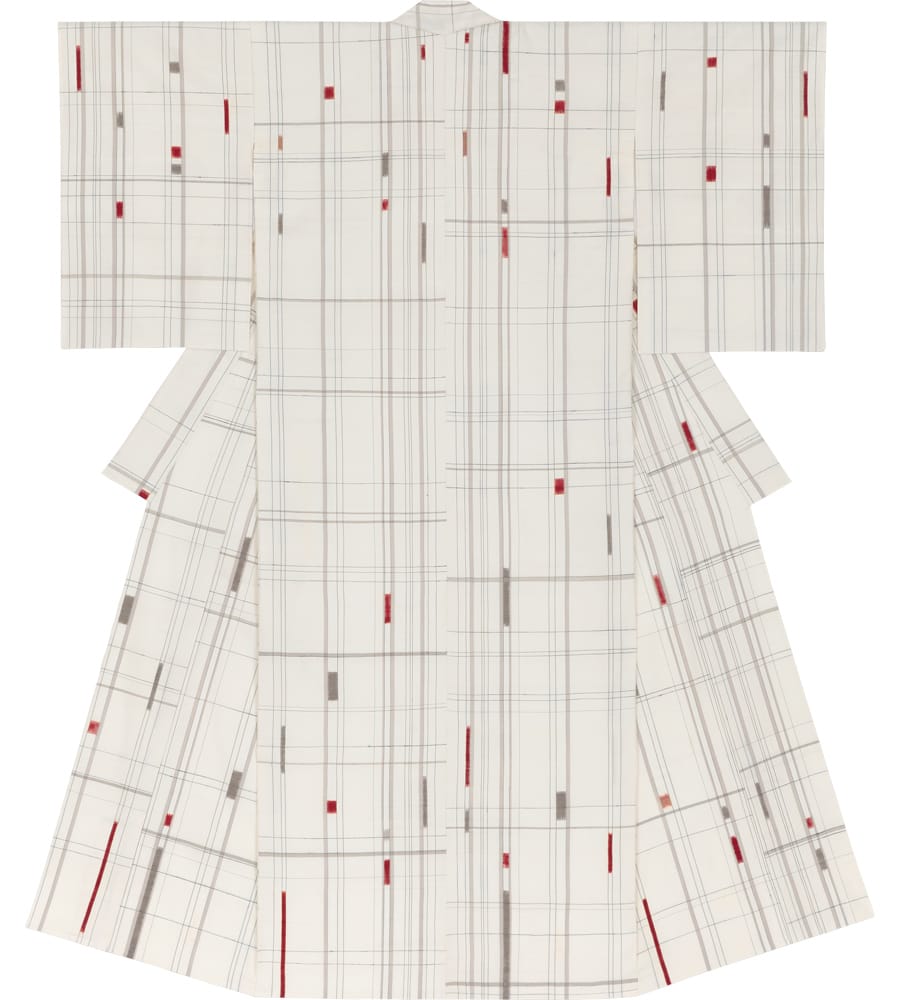
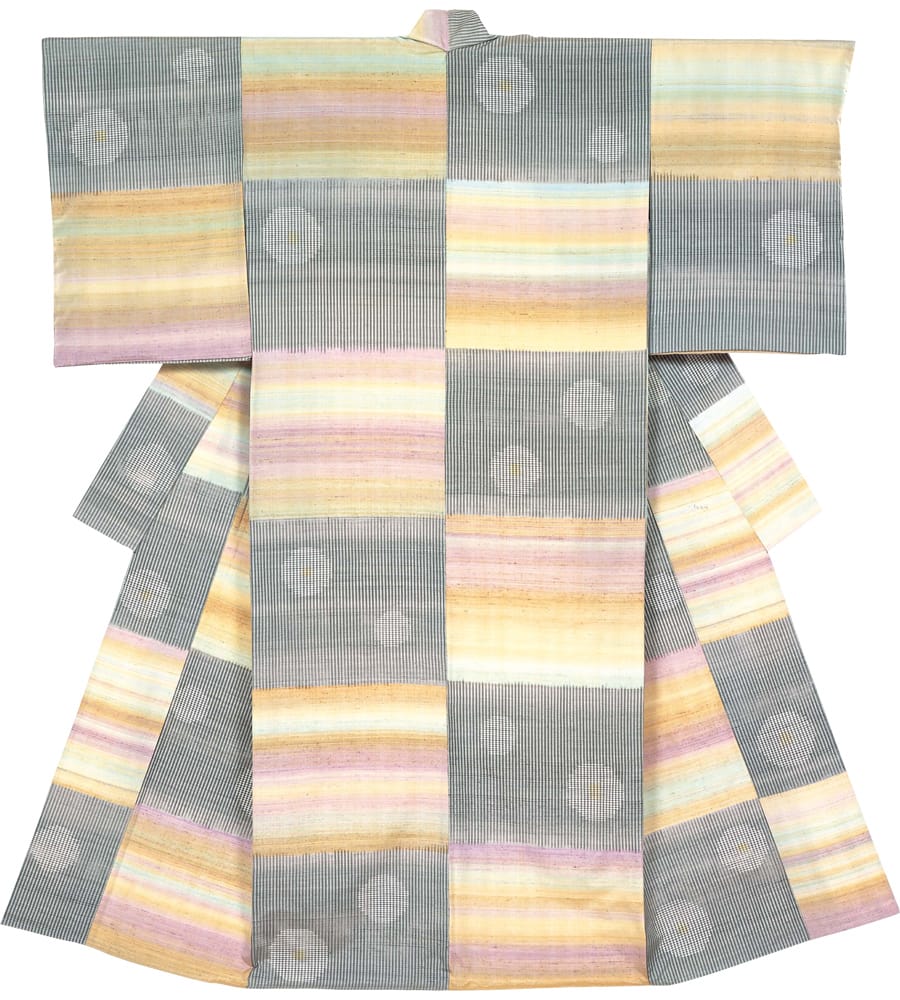
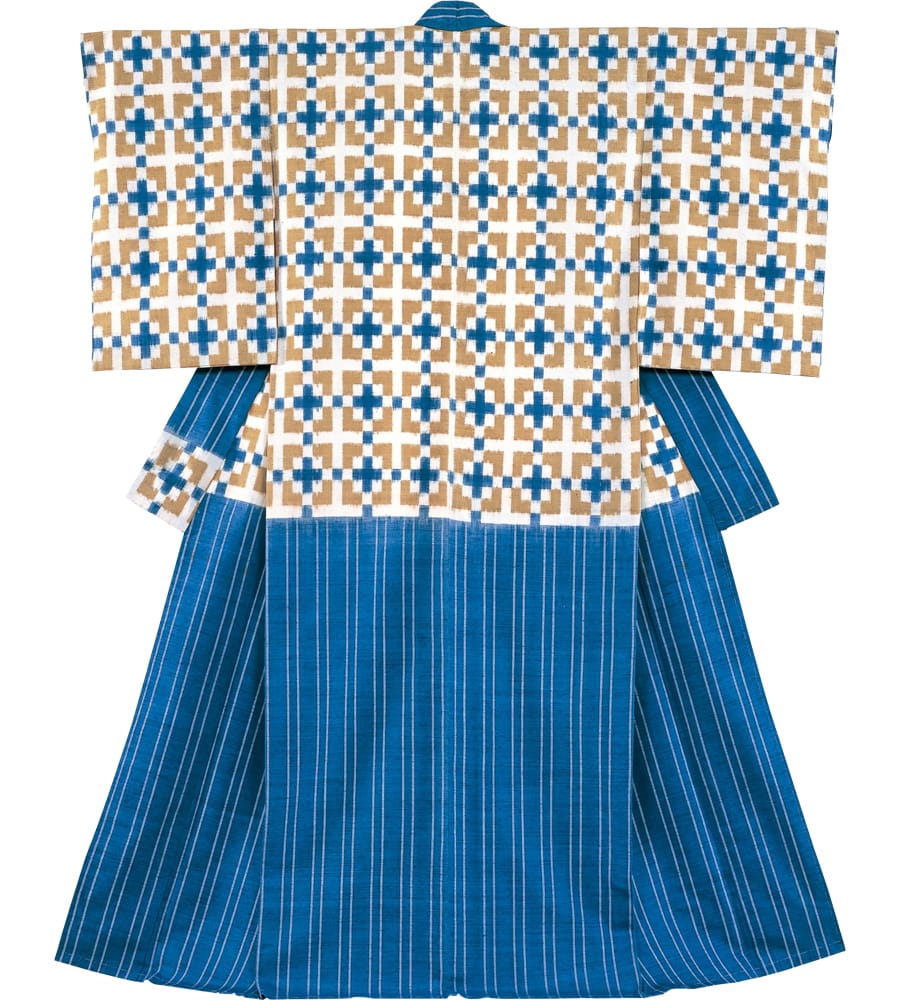
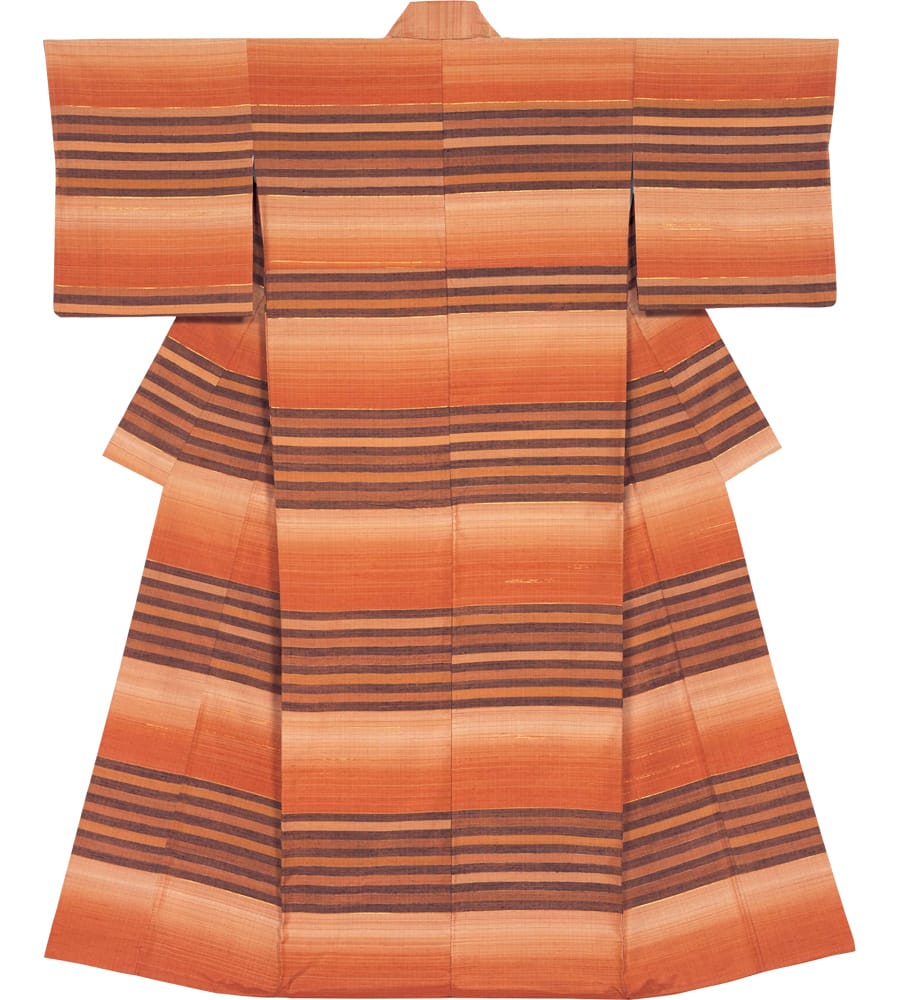
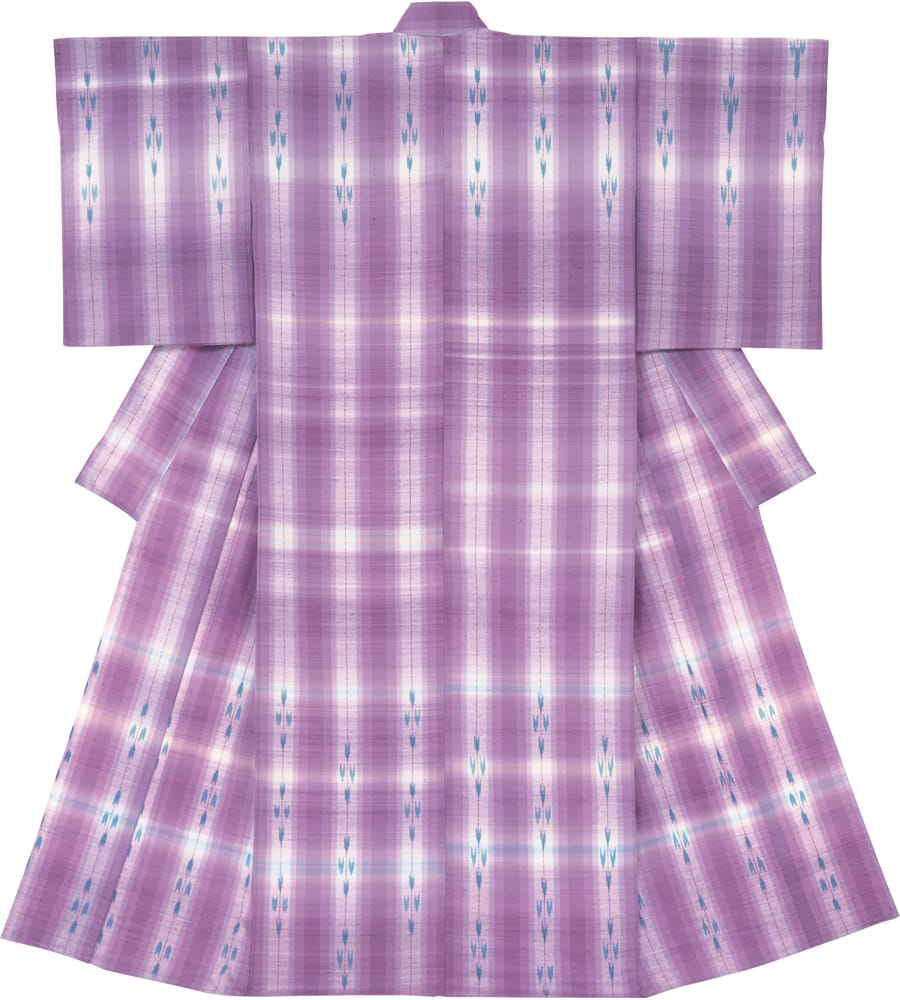
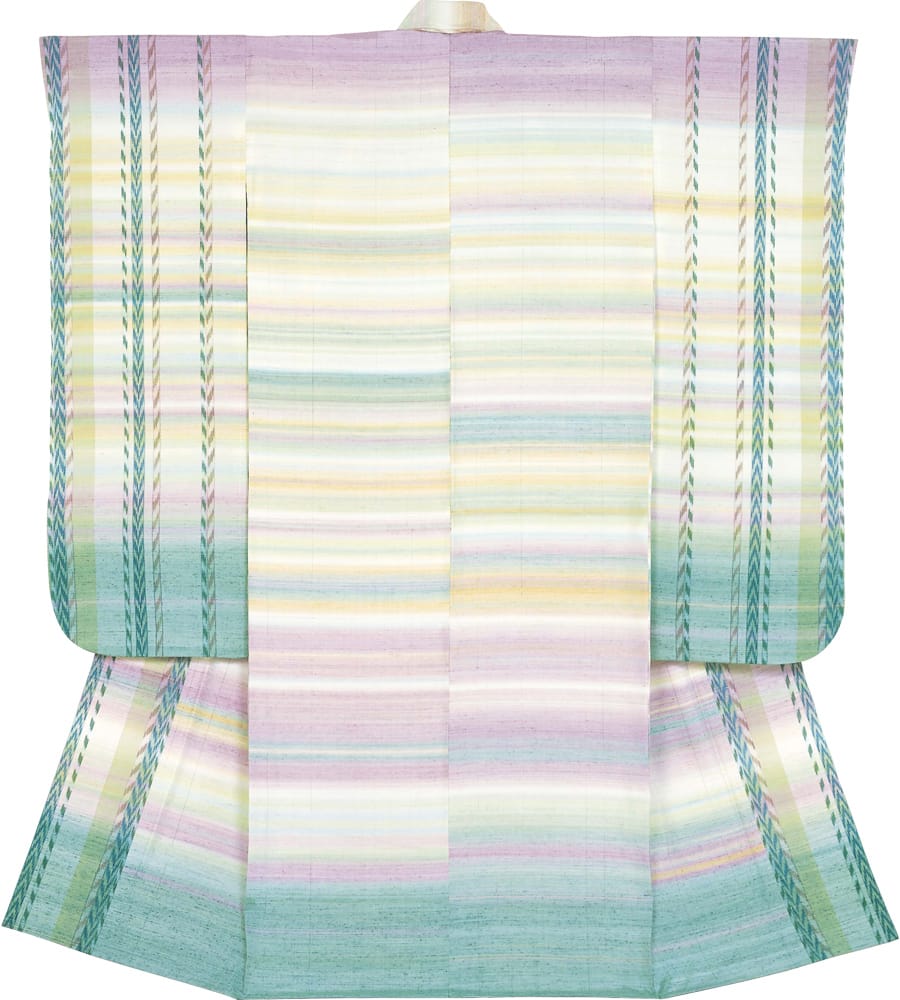
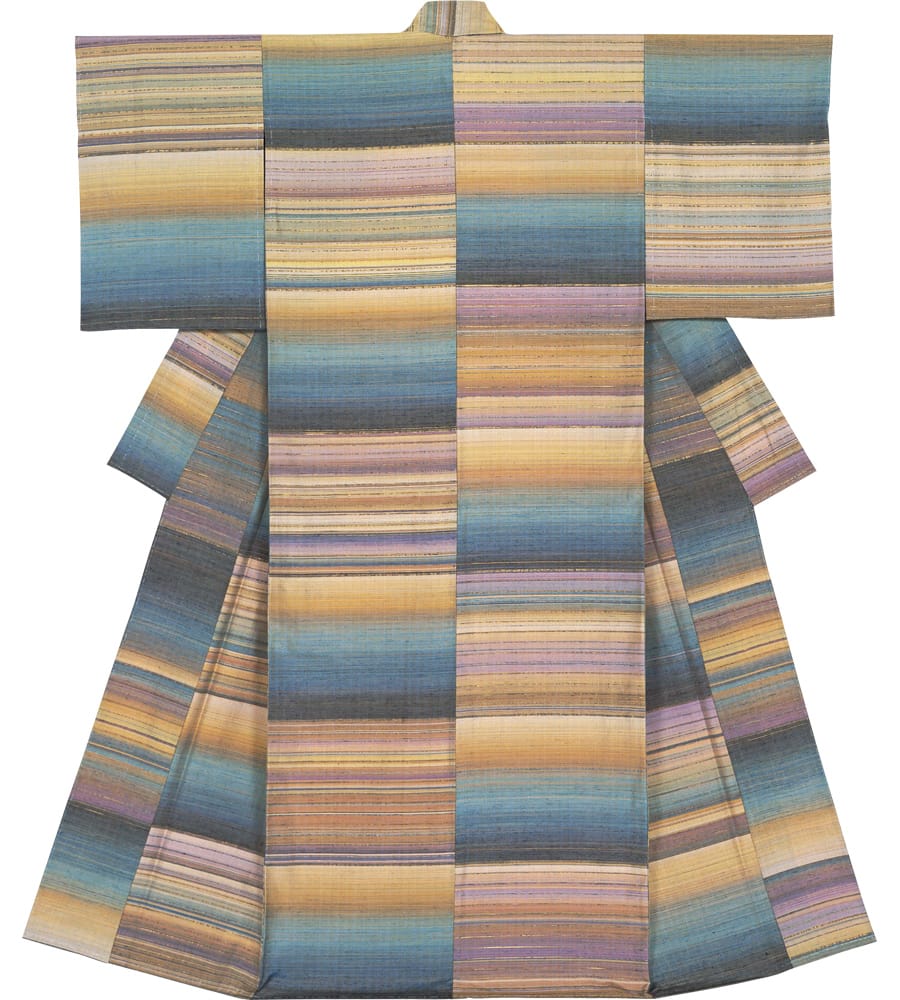
Influenced by her mother Toyo, Fukumi Shimura began weaving pongee silk yarn dyed with plants in 1956. Fukumi has made profound studies in the beauty of tsumugi (pongee) kimono, which Japanese peasant women traditionally wove and wore for everyday use, developing her own original style of art. Fukumi's daughter, Yoko, followed in her mother's footsteps to pursue the field of natural dyeing and hand-weaving. In 1989, she established Tsuki Kobo (Atelier Tsuki) with her mother. Since then she has been pursuing the universal beauty of “color” that goes beyond the traditional colors of a kimono, influenced by Johann Wolfgang von Goethe and Rudolf Steiner's color theories.
The dyeing and weaving art school “Ars Shimura” was established in 2013, led by Fukumi, her daughter Yoko, and her grandson Shoji. Impelled by a sense of impending crisis after the 2011 Great East Japan Earthquake and Fukushima nuclear disaster, the Shimura family wanted to open a space for art education through the practice of natural dyes and hand-weaving. Since the opening of the school, many people who sympathized with this artistic spirit have gathered from all over the country to learn at the school and pursue their own paths after graduating.
In 2016, the dyeing and weaving brand “Atelier Shimura” was established to provide job opportunities for Ars Shimura graduates. Following the Shimura family’s philosophy rooted in intimate dialogues with nature, Atelier Shimura hopes to continue to embrace the colors of life and values of handcraft to the next generation.
Tuki Kobo
Founded in 1990 by Shimura Fukumi and Shimura Yoko, Toki Kobo aims to provide a place for comprehensive learning about culture, including religion, art, and education, through textiles. Their work may resemble that of ancient weavers, when nature and the gods were one. Even as times change dramatically, the essence of life given to us by the planet Earth remains unchanged. At Toki Kobo, we work in close contact with these things, putting them into words, and hoping to find new beauty and vitality in textiles.
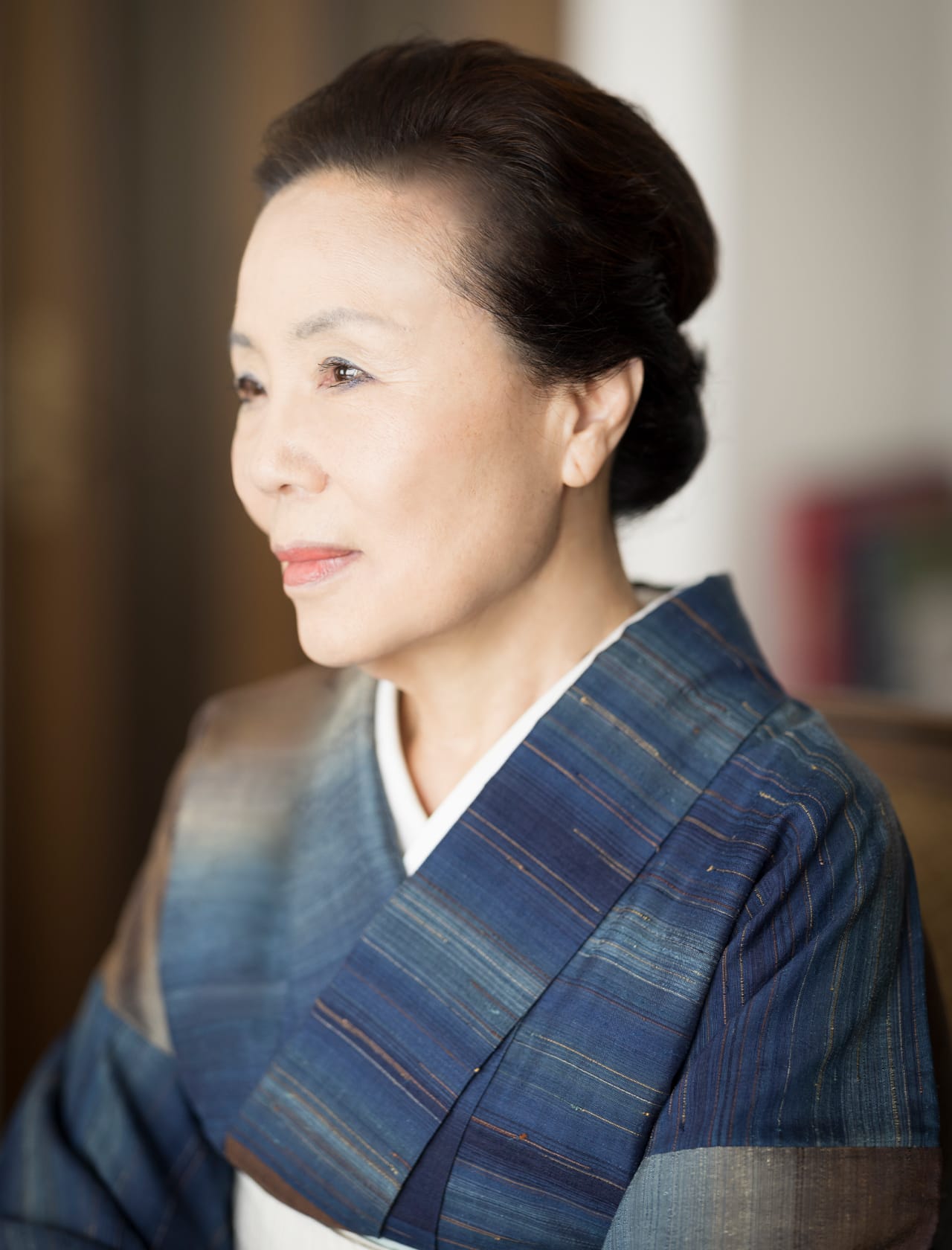
Fukumi Shimura
Born in Shiga Prefecture. Dyeing and weaving artist and essayist.
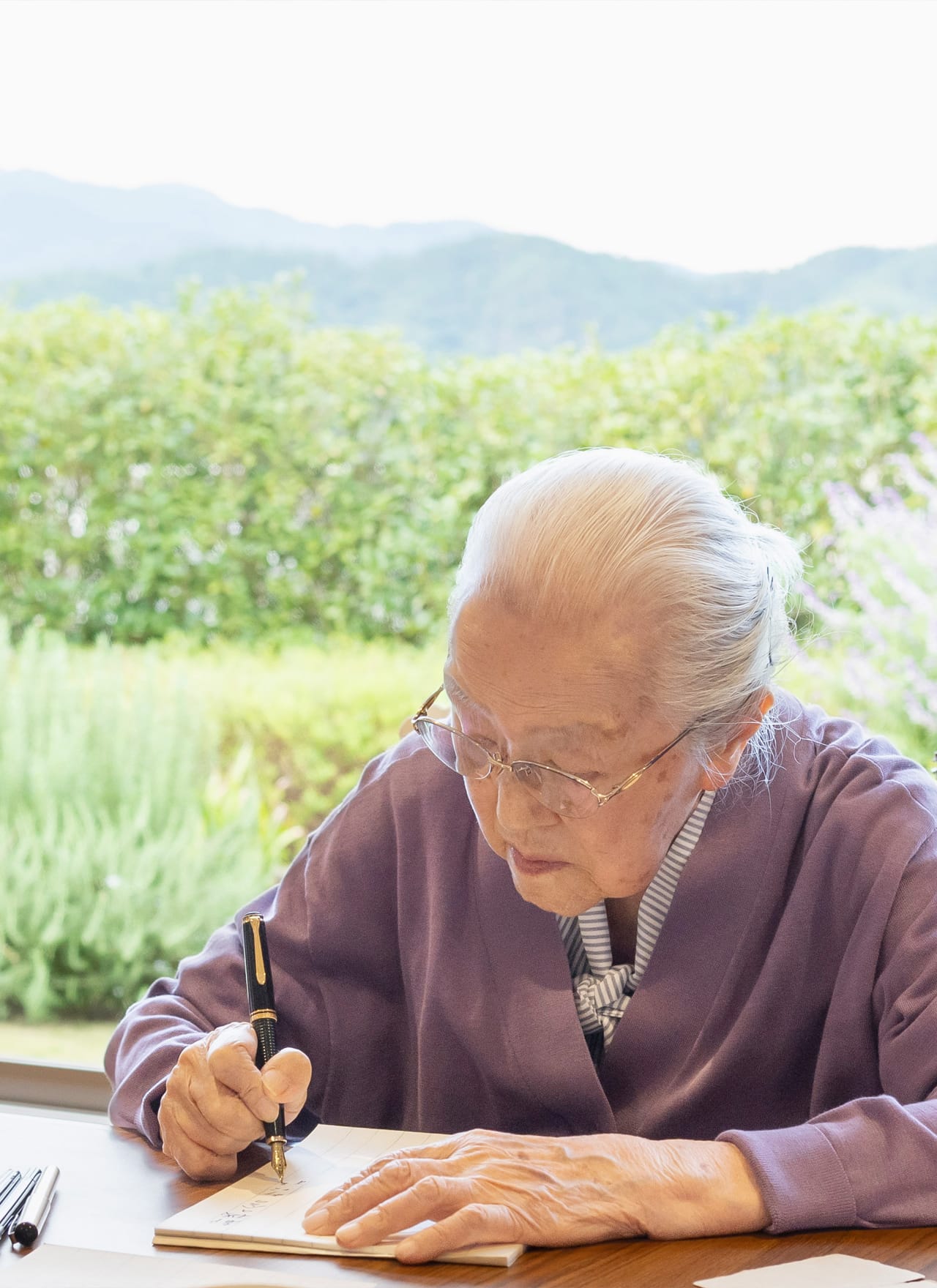
At the age of 31, under the guidance of her mother, Ono Yutaka, she began weaving using vegetable dyes and tsumugi thread. She is a holder of an Important Intangible Cultural Property (Living National Treasure), a Person of Cultural Merit, a recipient of the 30th Kyoto Prize (Arts and Philosophy category), and a recipient of the Order of Culture. She is an honorary citizen of Kyoto City. Her many books include "Isshiki Issho" (Osaragi Jiro Award), "Karikakeru Hana" (Japanese Essayist Club Award), and "Chiyo, Hatari." Her collections of works include "Weaving and Writing," "Kagaribi," and "Tsumugiori." In 2013, she opened the art school ARS Shimura with her daughter Yoko and grandson Shoji.
Yoko Shimura
Born in Tokyo. Textile artist and essayist.
Strongly attracted to the art of indigo dyeing, she entered the world of dyeing and weaving in her 30s, just like her mother, Fukumi Shimura. In 1989, she founded Tsuki Kobo as a place to comprehensively learn about culture in its entirety, including religion, art, and education, through weaving. Her books include The Miracle of Color and Tamayura no Michi, co-authored with Fukumi. Her collections of works include Shimura no Iro, Opera, and Kagami: Sensations of Dyeing and Weaving. In 2013, she opened the Ars Shimura Art School with her son, Shoji.
Invalid password
Enter
